
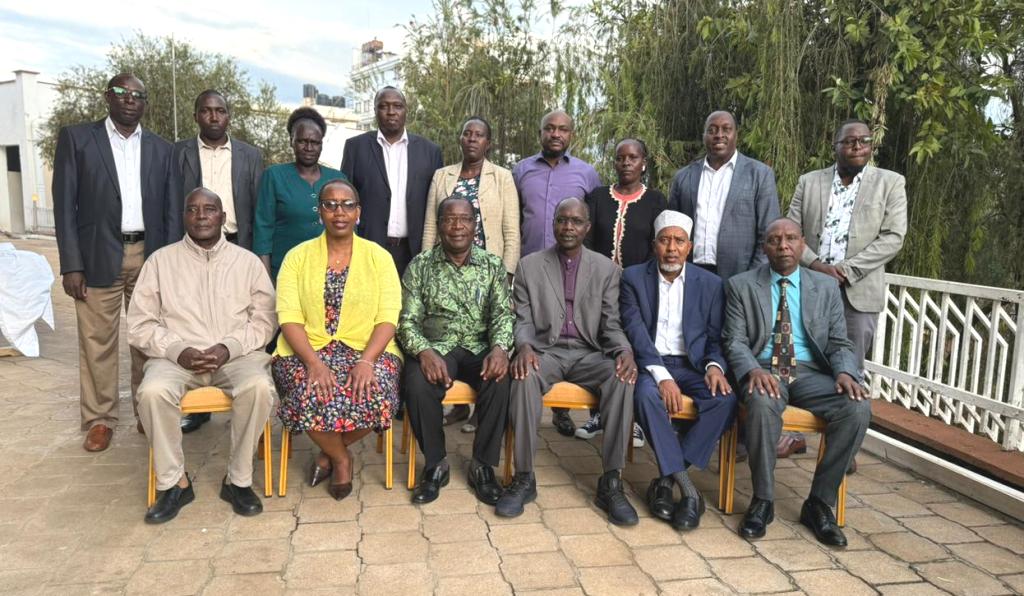
Kabarnet University College convened its inaugural Council Retreat on 11th May 2026 at Sirikwa Hotel, Eldoret, bringing together the pioneer Council, university management, facilitators, and resource persons to deliberate on the statutes and core policies that will define the institution’s governance, administration, and future trajectory.
Official Opening — Remarks by the Council Chair
The retreat was officially opened by the Chairman of the Council, Prof. Benson B. A. Estambale, who set a reflective and purposeful tone for the proceedings. Prof. Estambale opened by acknowledging the historic significance of the occasion, noting that the members assembled constituted the pioneer Council of Kabarnet University College — a distinction he said carried immense responsibility.
Speaking at the hotel’s conference facility, the Council Chair reminded participants that the primary mandate of the Council was to guard the laws governing the institution. He stressed that it was precisely this mandate that had brought them together for the retreat. He observed that policies were not static instruments but living documents that evolved alongside institutions, drawing a parallel with Moi University’s own policy journey over the years and calling on Kabarnet University College to develop frameworks that reflected both its current realities and its aspirations.
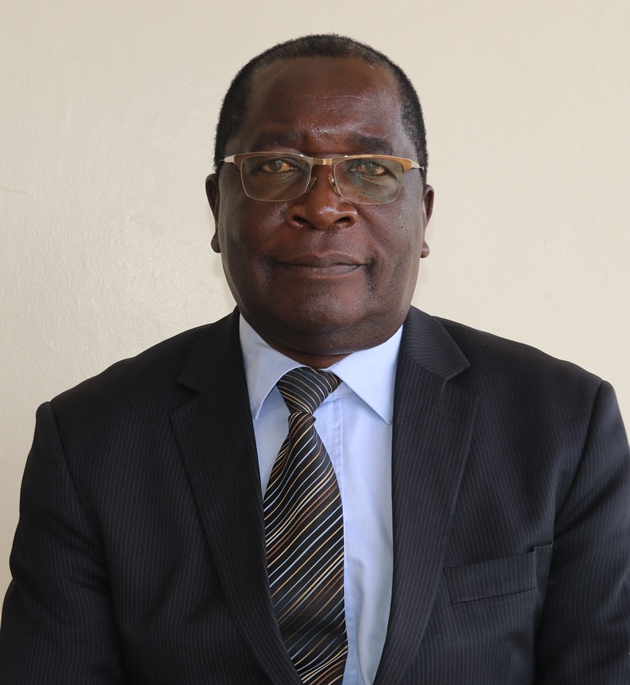
“The decisions we make must steer the institution in the right direction, and they must at all times conform to national regulations and the legal framework of our country.” Prof. Benson B. A. Estambale, Chairman, Council — Kabarnet University College
Prof. Estambale called on every Council member to approach the retreat with diligence, urging critical review and a serious commitment to the exercise. He thereafter formally declared the retreat open, marking the beginning of what management described as a milestone moment in the college’s institutional development.
Welcoming Remarks — The Principal
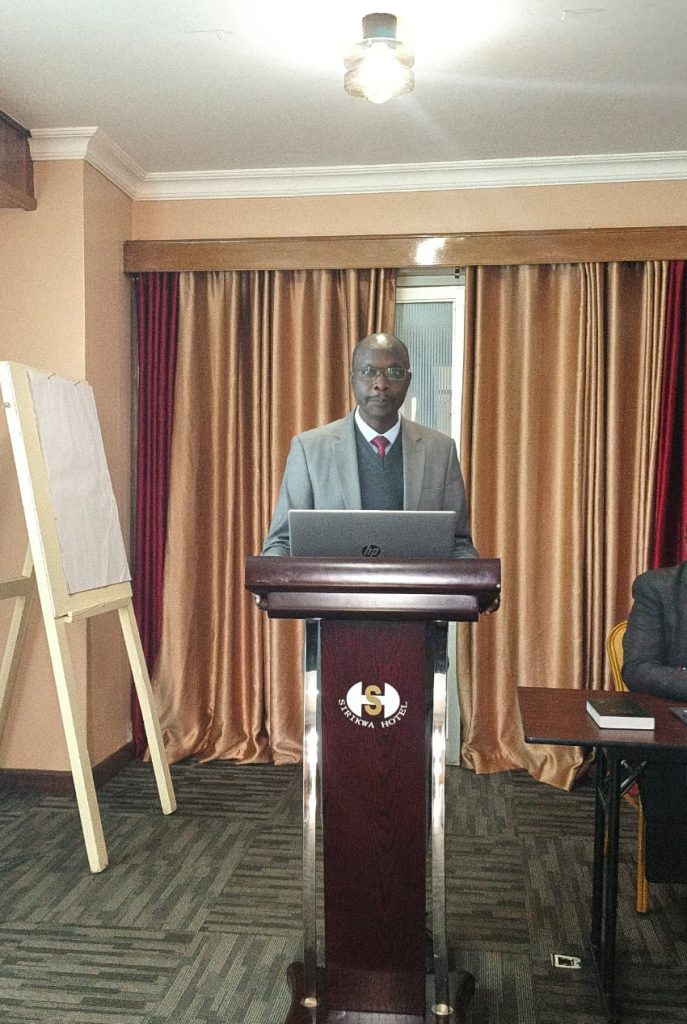
“Well-formulated policies minimize conflicts, reduce operational risks, strengthen accountability, and enhance institutional efficiency.”
Prof. Daniel C. Rotich, Principal, Kabarnet University College
Prior to the formal opening, the Principal of Kabarnet University College, Prof. Daniel C. Rotich, delivered welcoming remarks in which he extended warm appreciation to all participants for prioritising the workshop. He acknowledged the presence of the Council Chairman, Council members, facilitators, and resource persons, underscoring the importance of their collective participation in the policy formulation process.
Prof. Rotich informed the gathering that management had taken the policy formulation process seriously, establishing a dedicated committee to drive it forward. He noted that the committee had held several meetings on campus before convening two external engagements — the first at the Kenya School of Government in Baringo between 11th and 12th February, and a second at Egerton University from 20th to 24th April, the latter of which drew stakeholders from the Kenya Institute for Public Policy Research and Analysis (KIPPRA), the Commission for University Education (CUE), the Ministry of Planning and Economic Development, Moi University, and the Open University of Kenya.
The Principal contextualised the importance of the retreat by pointing to the increasingly dynamic and competitive environment in which universities now operated — one characterised by rapid technological change, shifting regulatory requirements, expanding student populations, and growing public expectations for accountability and quality. In such a landscape, he said, strong institutional policies were not optional but essential instruments of effective governance and management.
Prof. Rotich also emphasised the participatory nature of the policy formulation process, reminding participants that the strength of any policy lay not only in its content but in the ownership and commitment it received from those expected to implement it. He described the workshop as a demonstration of the institution’s collective resolve to build a university college founded on accountability, professionalism, integrity, quality, and continuous improvement.
Key Policy Documents Under Consideration
Among the substantive areas of focus, the retreat took up deliberations on a comprehensive set of policy documents that form the backbone of the university’s operations. The Principal highlighted each of the following as being under consideration:
Core Policy Documents on the Retreat Agenda
— University Statutes
— Human Resource Policy
— Scheme of Service
— Finance & Asset Management Policy
— Procurement Policy
— Examination Policy
— Curriculum Development Policy
— ICT Policy
— Part-Time & Adjunct Faculty Policy
— Quality Assurance Policy
— Teaching and Learning Policy
— Internal Audit Policy
Commenting on a selection of these instruments, the Principal described the University Statutes as the supreme governance document, operationalising the college’s mandate as provided by law and defining institutional structures, powers, responsibilities, and procedures. He noted that the Human Resource Policy and Scheme of Service were fundamental to attracting, developing, and retaining competent personnel while promoting fairness, merit, and staff welfare — with the Scheme of Service in particular providing transparent career progression pathways that would strengthen staff morale and productivity.
On financial governance, Prof. Rotich underscored that the Finance and Asset Management Policy and the Internal Audit Policy were central to institutional sustainability, promoting responsible resource utilisation, regulatory compliance, and public confidence. Regarding the ICT Policy, he described it as indispensable in today’s digital era, providing guidance on the governance, security, and management of information and communication technologies that support teaching, research, and administration across the university college.
Management’s Commitment
In closing his welcoming remarks, the Principal reaffirmed management’s commitment to developing policies that were practical, legally compliant, and aligned with the vision, mission, and strategic direction of Kabarnet University College. He expressed confidence that the policies to emerge from the process would not only address present-day challenges but also position the college competitively for the future.